
Simulation-to-Reality Transfer for
Advanced Robotic Control
August 23 – September 6, 2024 · King Abdullah University of Science and Technology
August 23 – September 6, 2024 · King Abdullah University of Science and Technology
This project explores the challenge of transferring learned robotic control policies from simulated environments to real-world applications. Through a 15-day intensive research collaboration at KAUST, we developed and validated novel techniques for domain adaptation using reinforcement learning algorithms. Our approach demonstrates successful deployment across six different trajectory-following tasks with a 98% success rate, bridging the sim-to-real gap through systematic domain randomization and robust policy training.
| Environment | IsaacSim 4.5 |
| Control Rate | 100 Hz |
| Sensors | Absolute Position, etc. |
| Hardware | CrazyFlie |
| Control Rate | 100 Hz |
| Sensors | MoCap (Motion Capture System) |
Performance comparison between simulation training and real-world deployment across all tasks.
| Task | Success Rate | Convergence Time | Tracking Error |
|---|---|---|---|
| AR Action Stabilize | 98% | 2.3s | — |
| AR Action Stabilize 2 | 96% | 2.5s | — |
| AR Observation Stabilize | 97% | 2.1s | — |
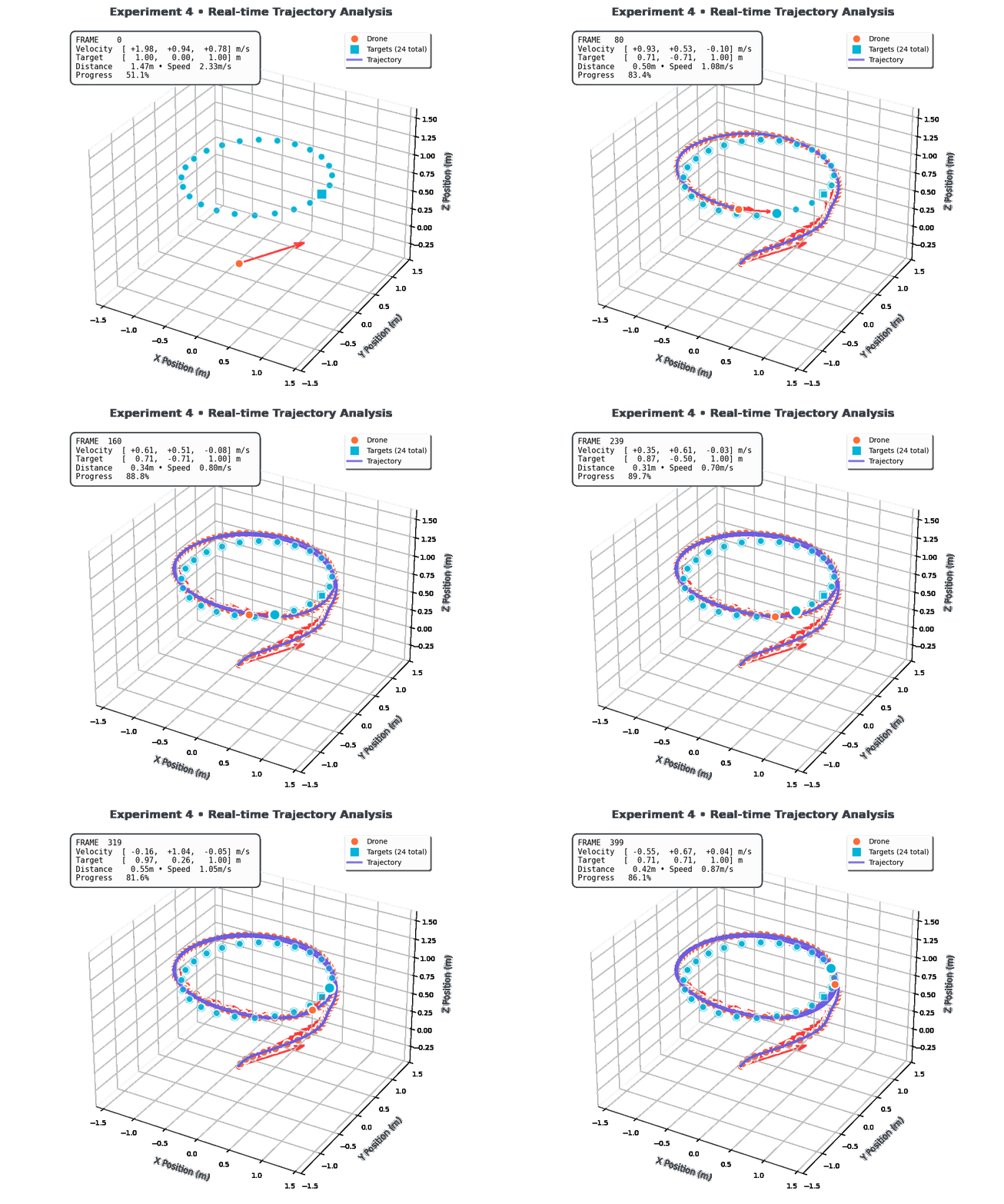
| Circle Following | — | — | 0.03 m |
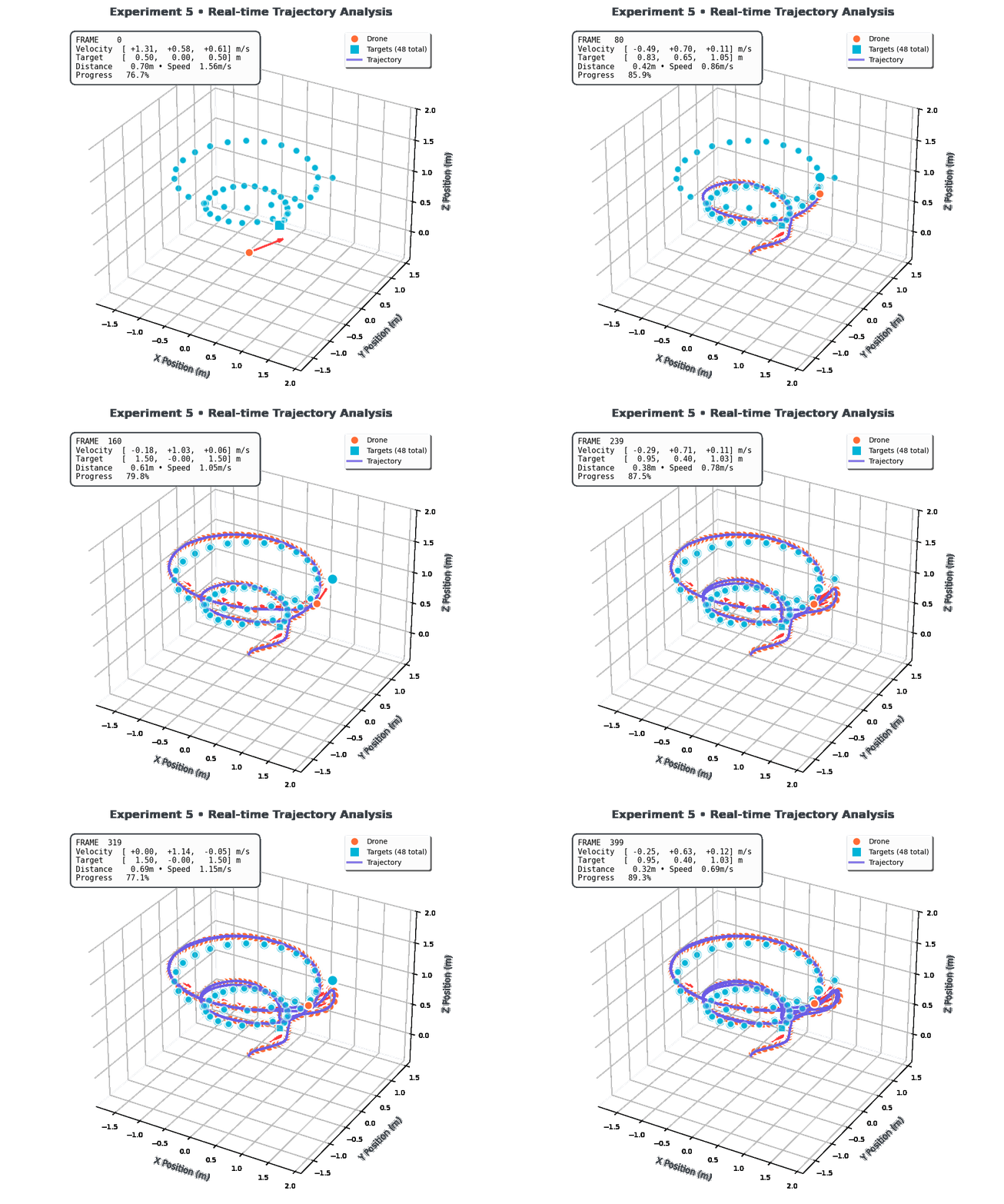
| Spiral Following | — | — | 0.04 m |
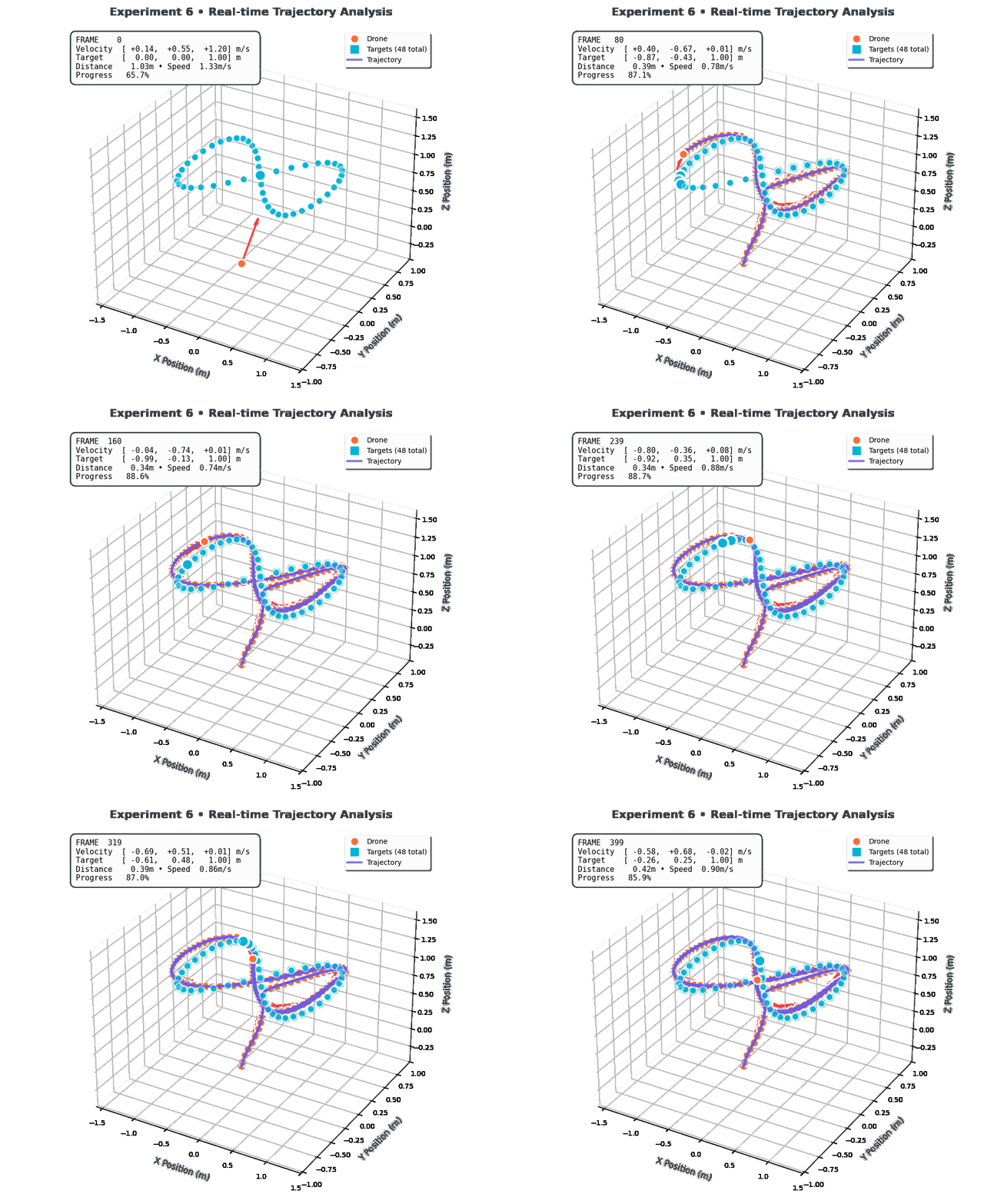
| Figure-8 Following | — | — | 0.05 m |
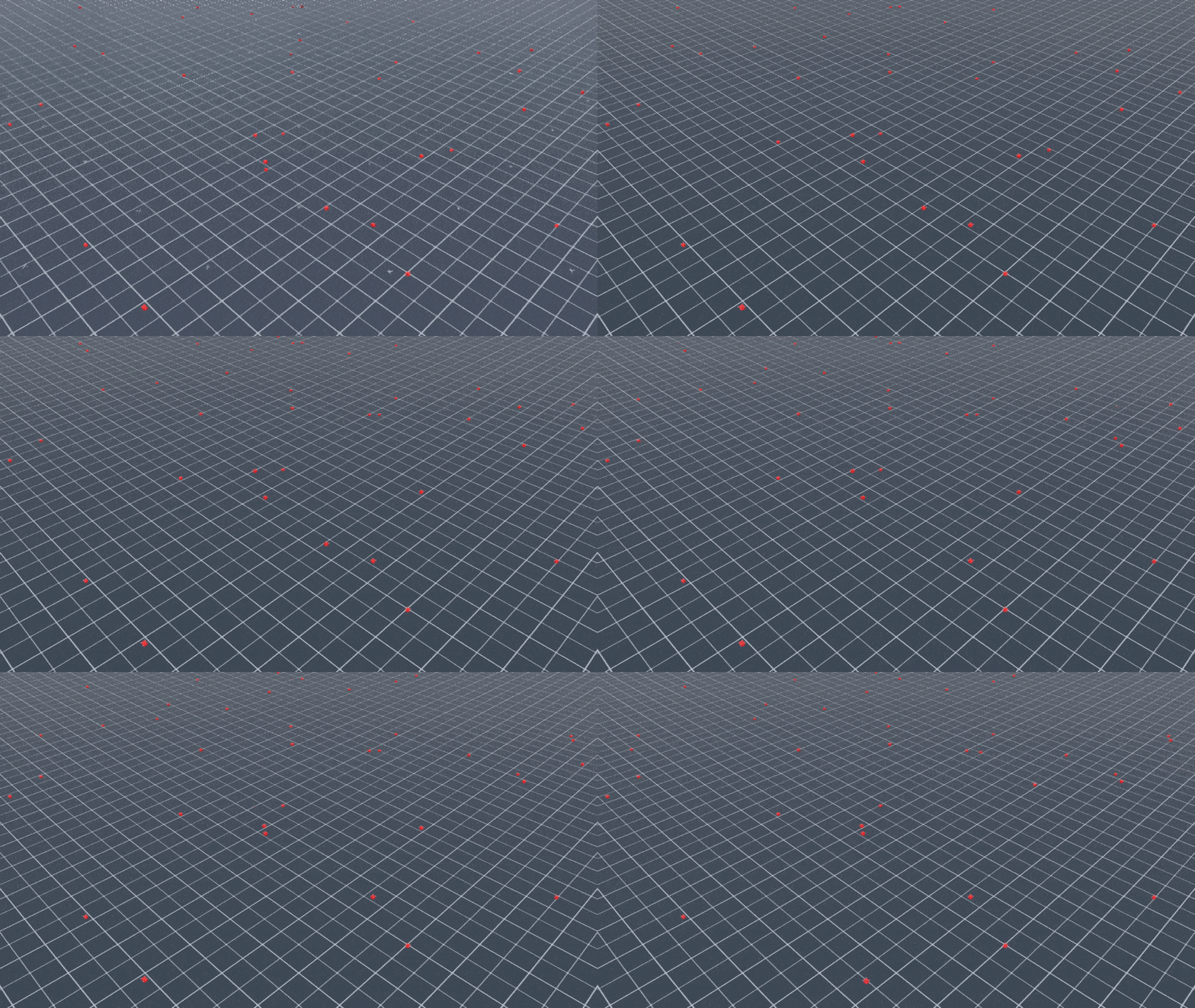
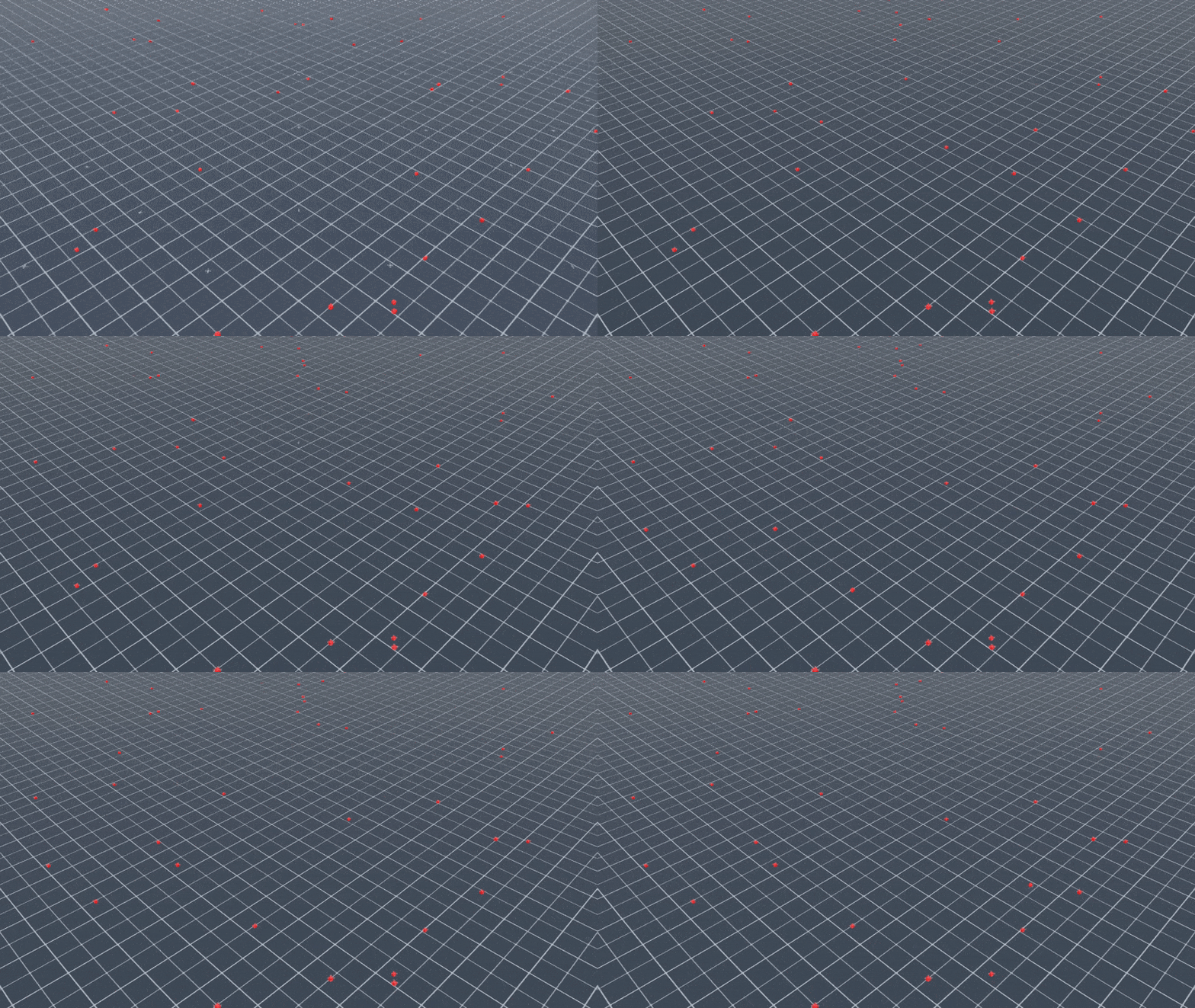
Simulation training, real-world deployment, and trajectory visualizations across six tasks.
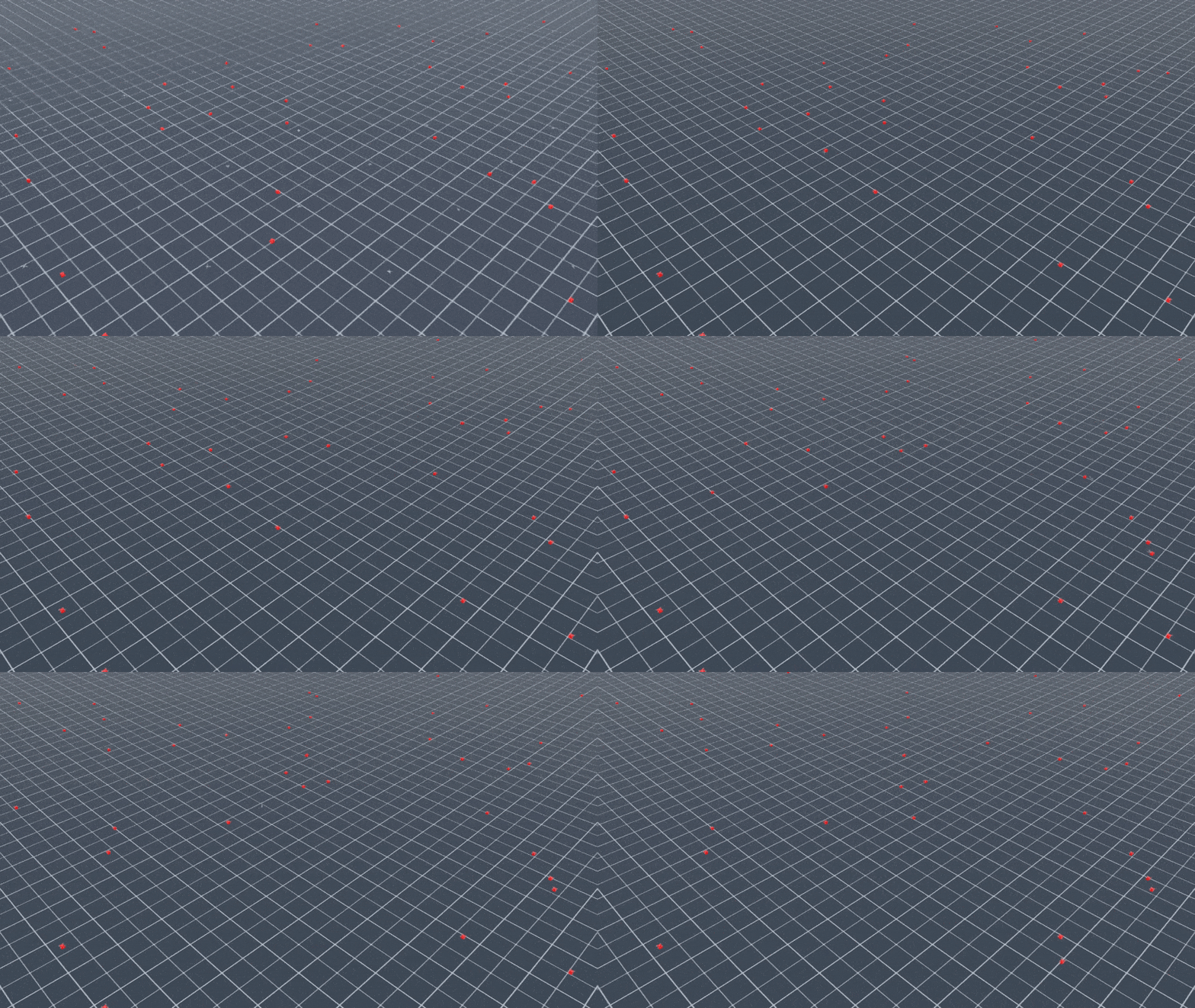
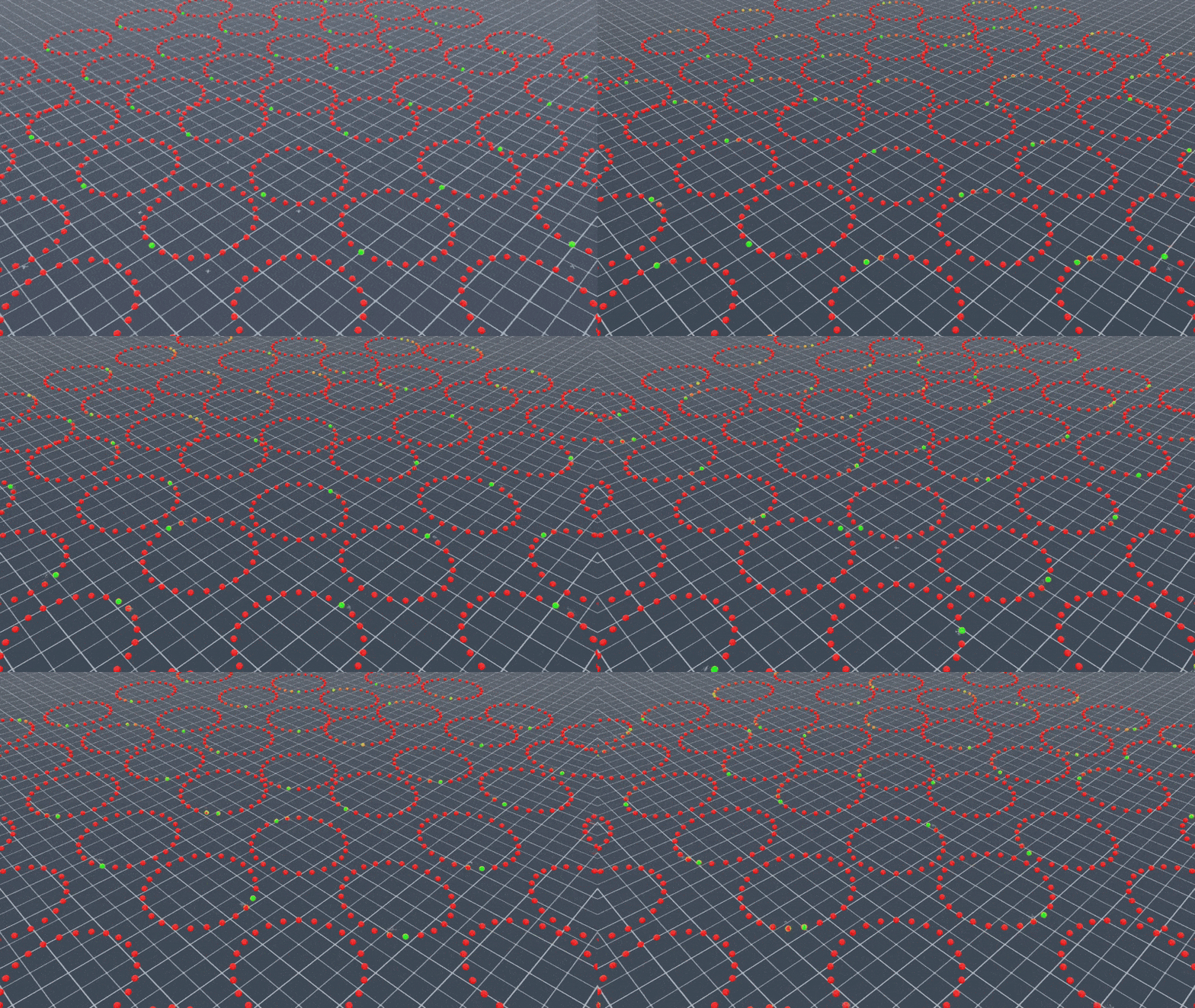
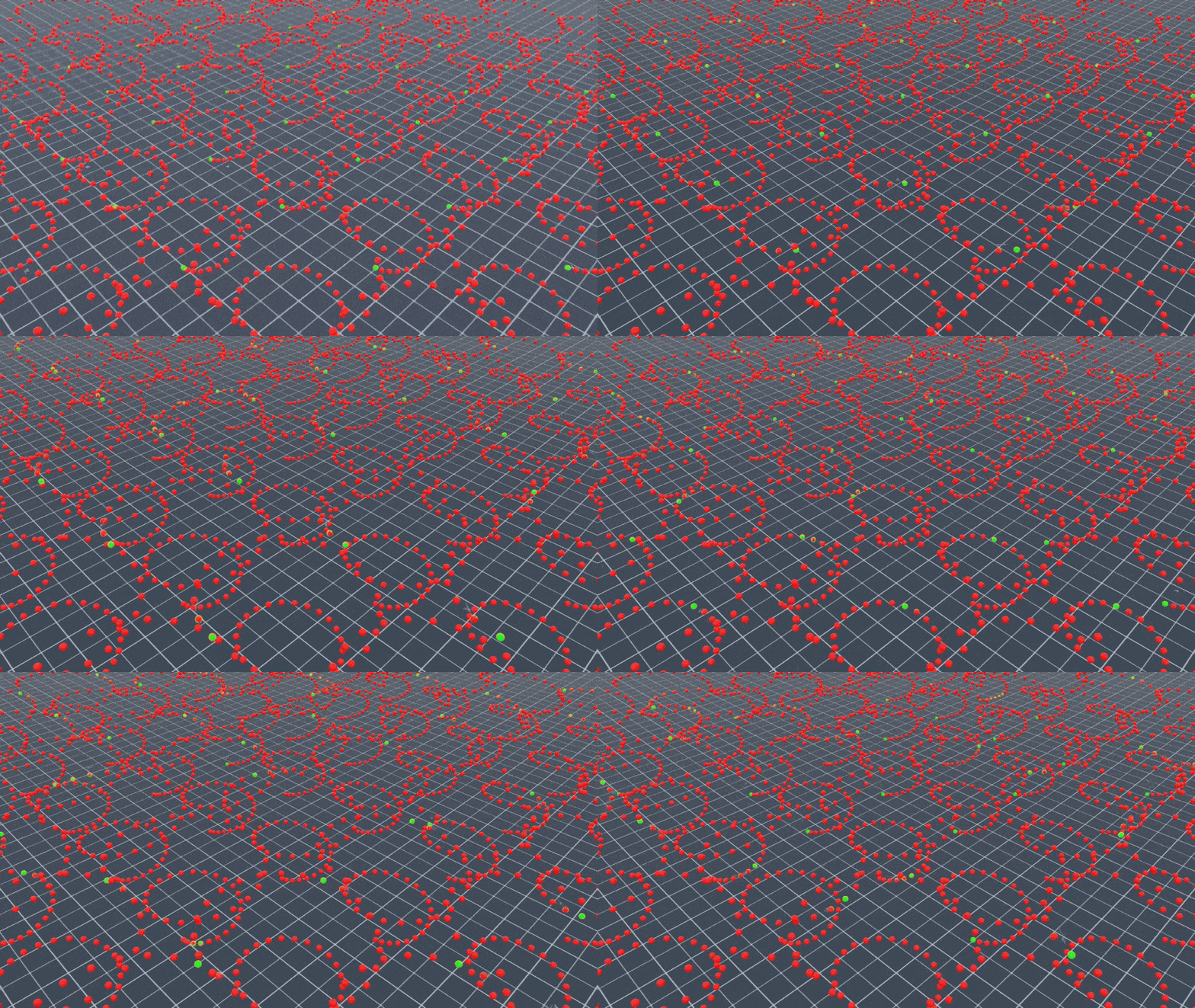
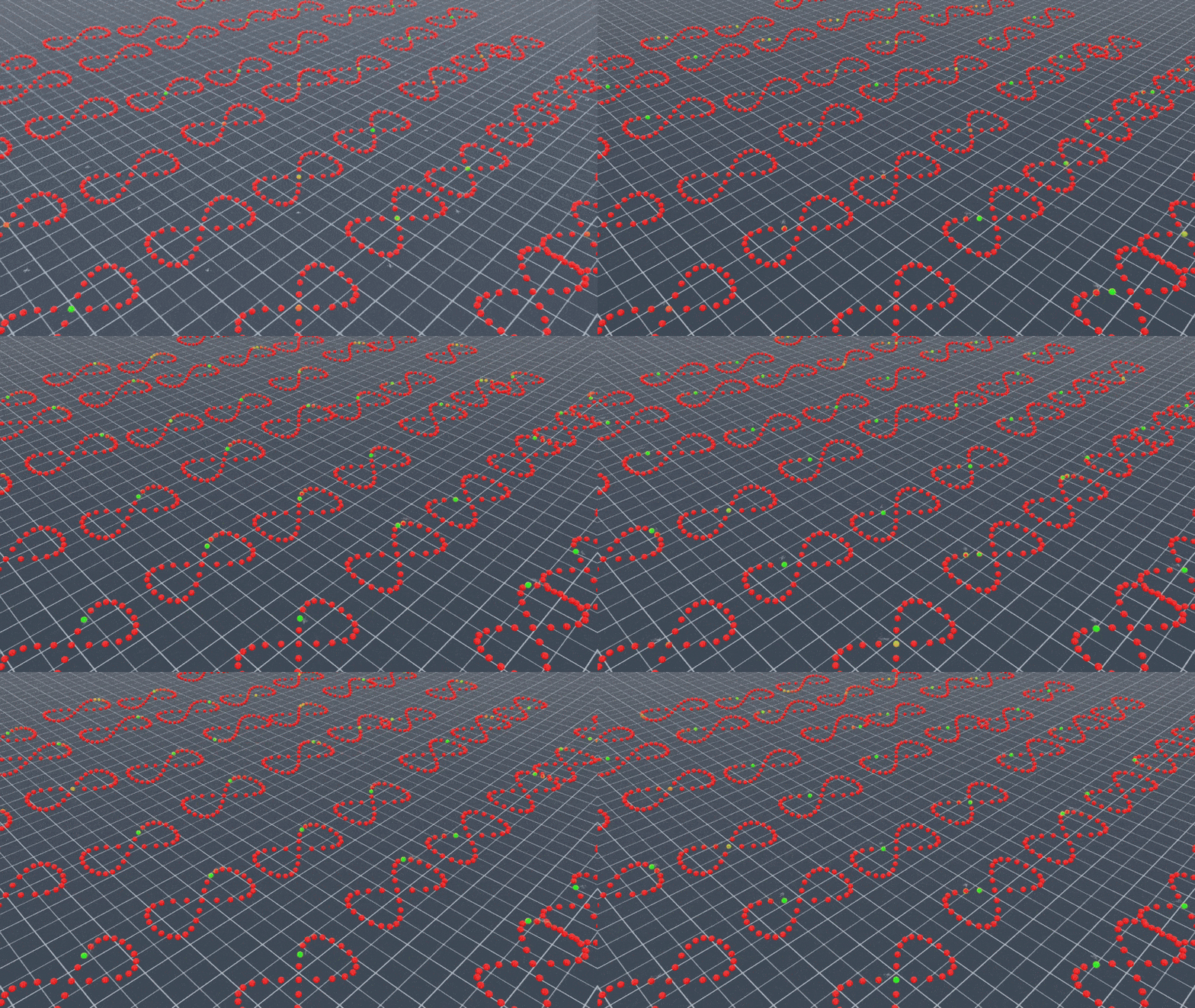
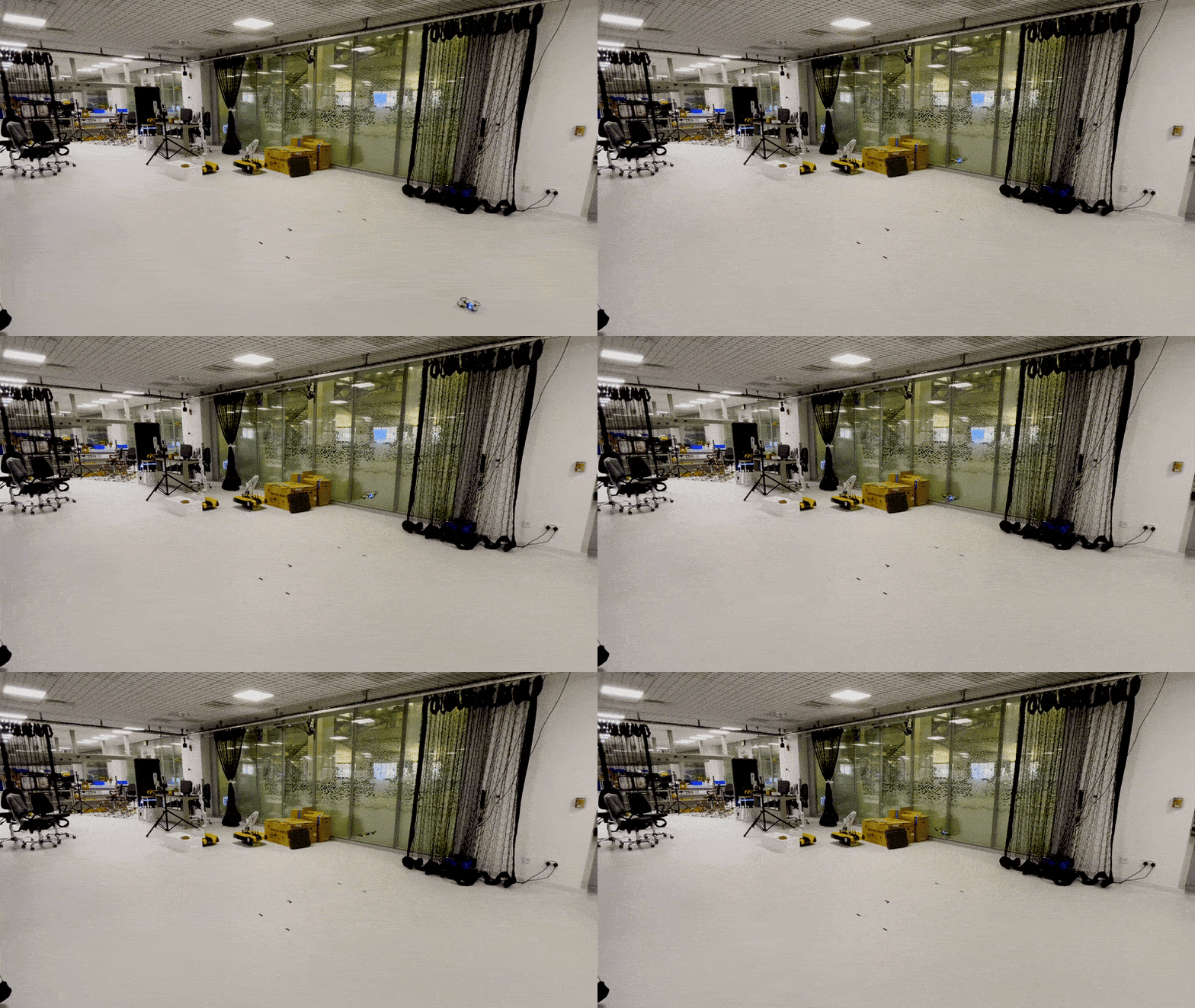
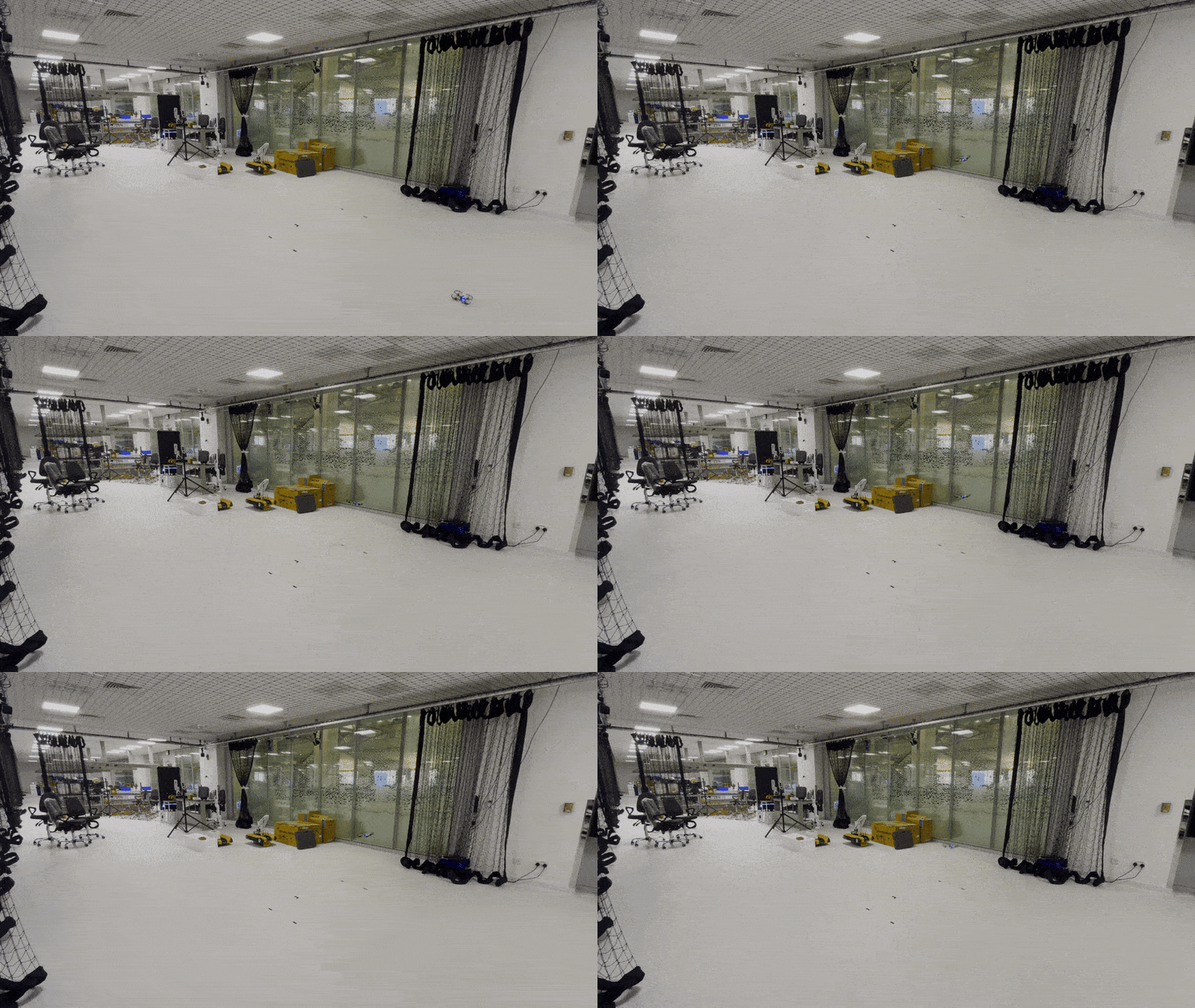
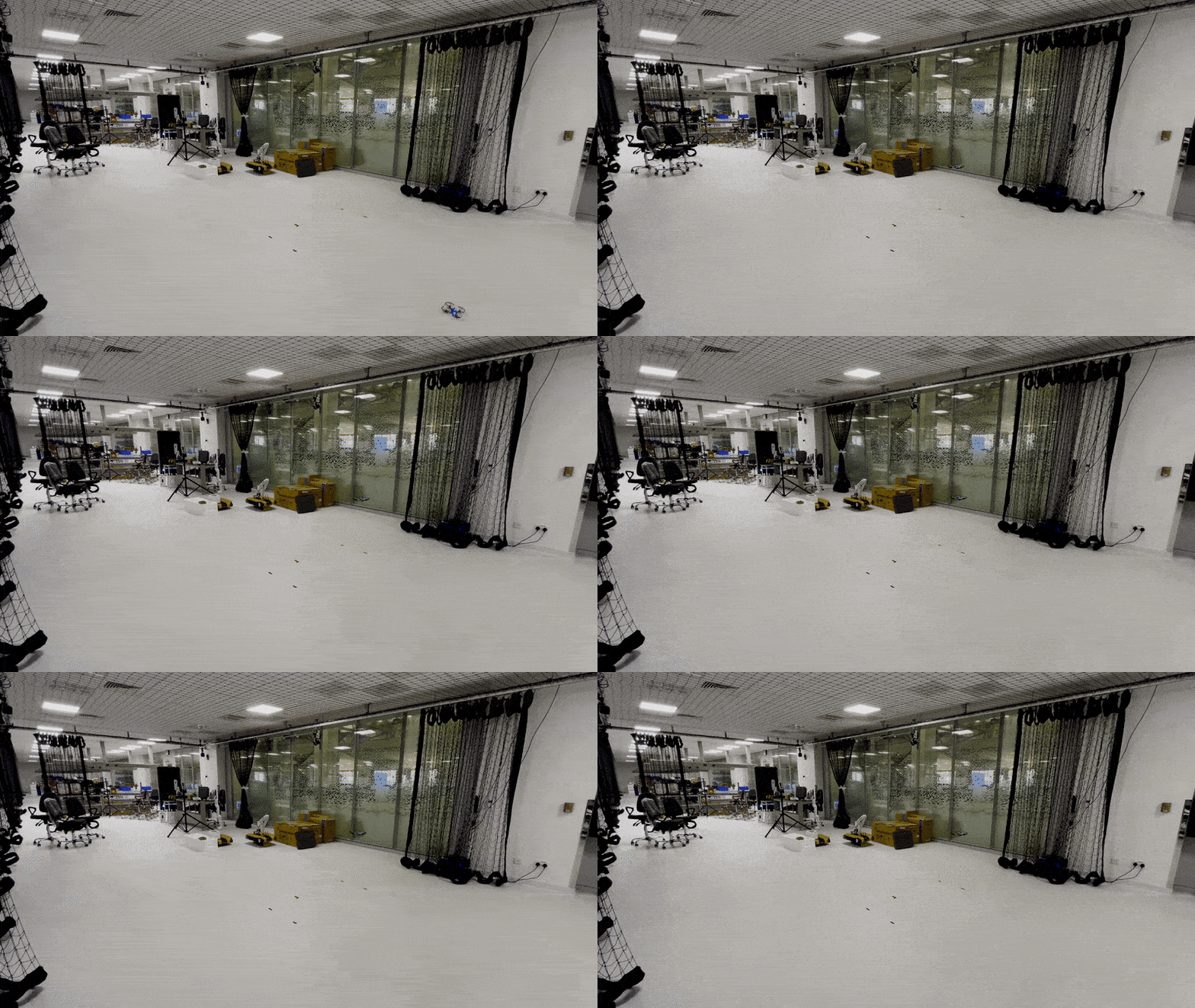
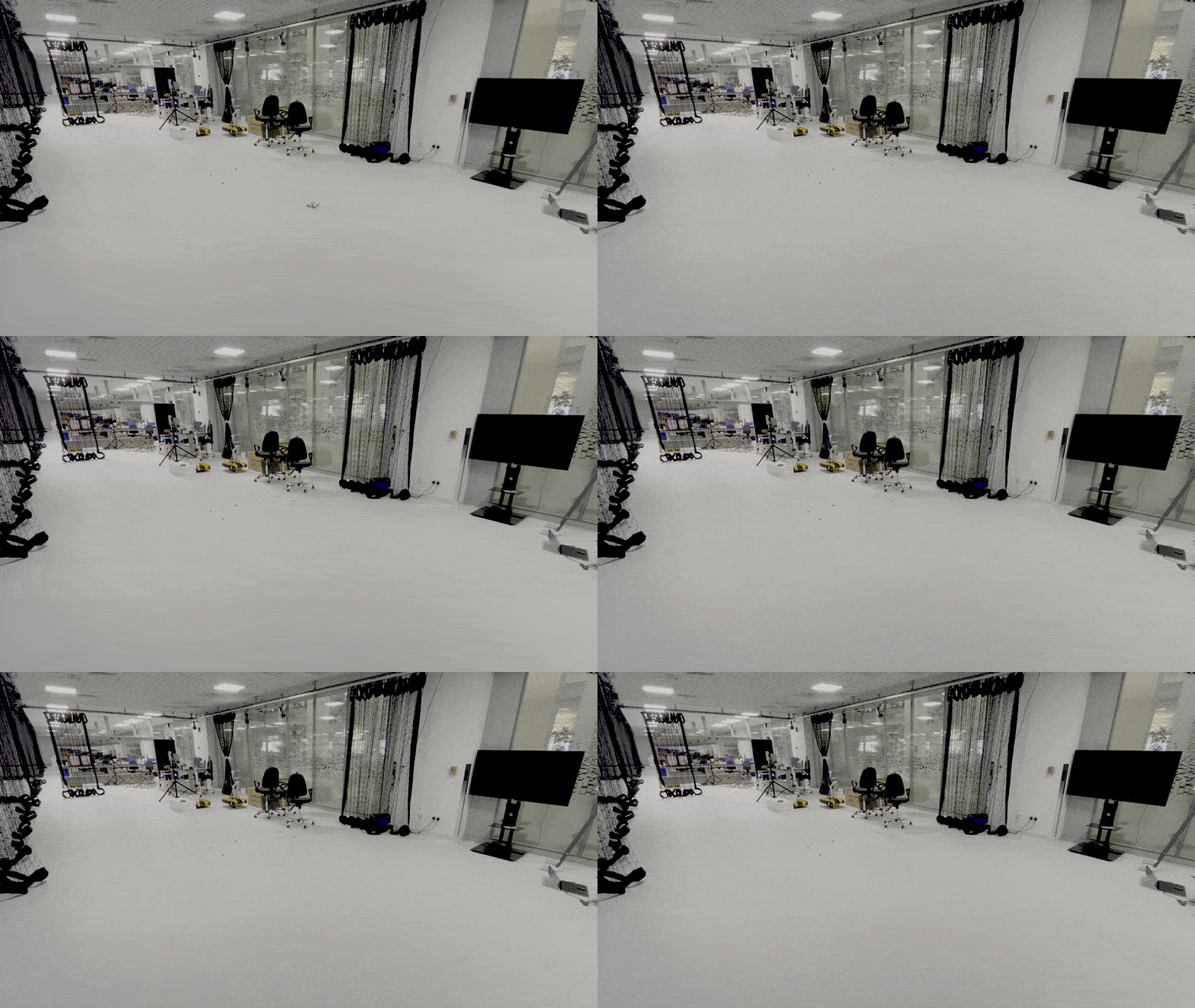
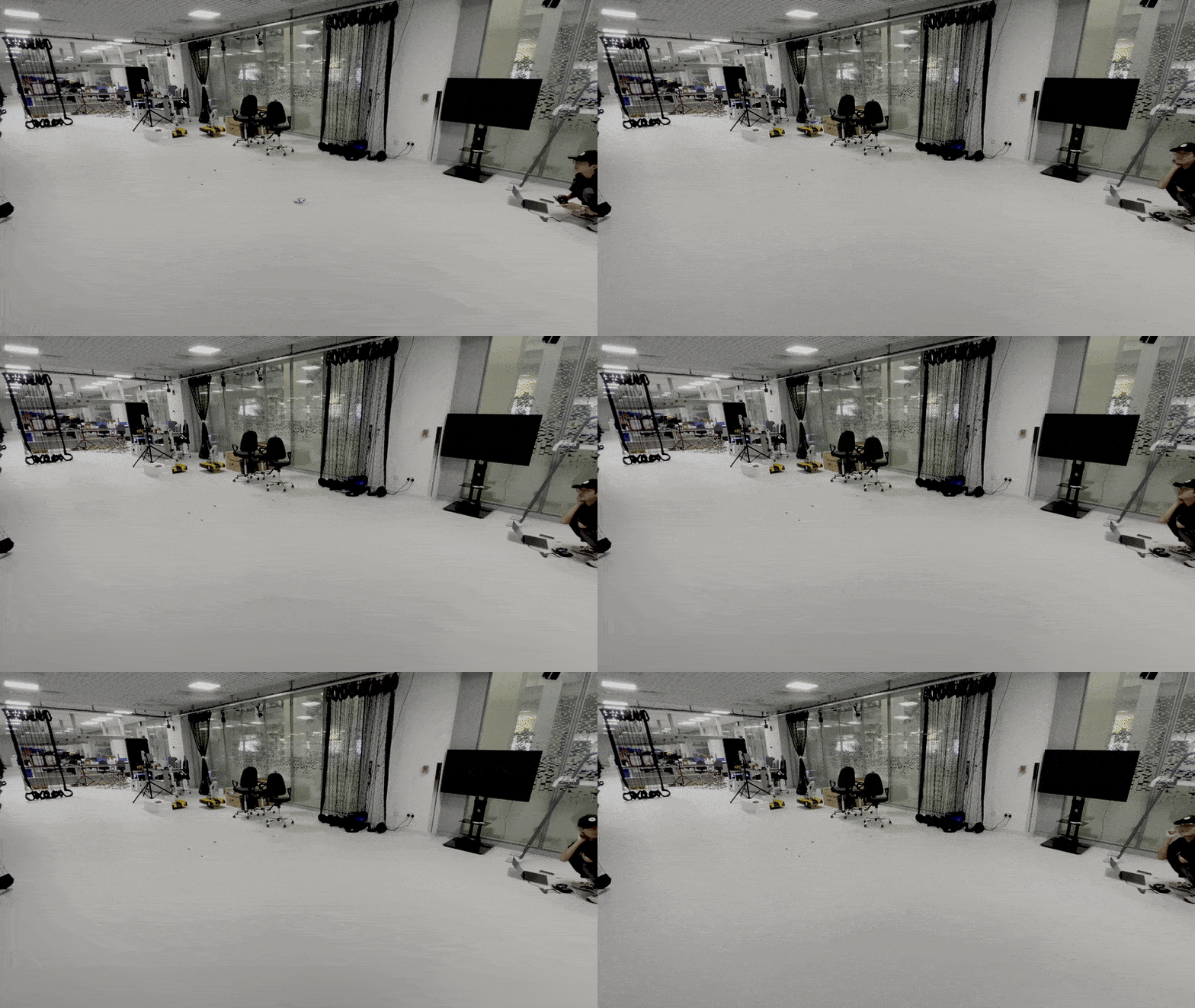
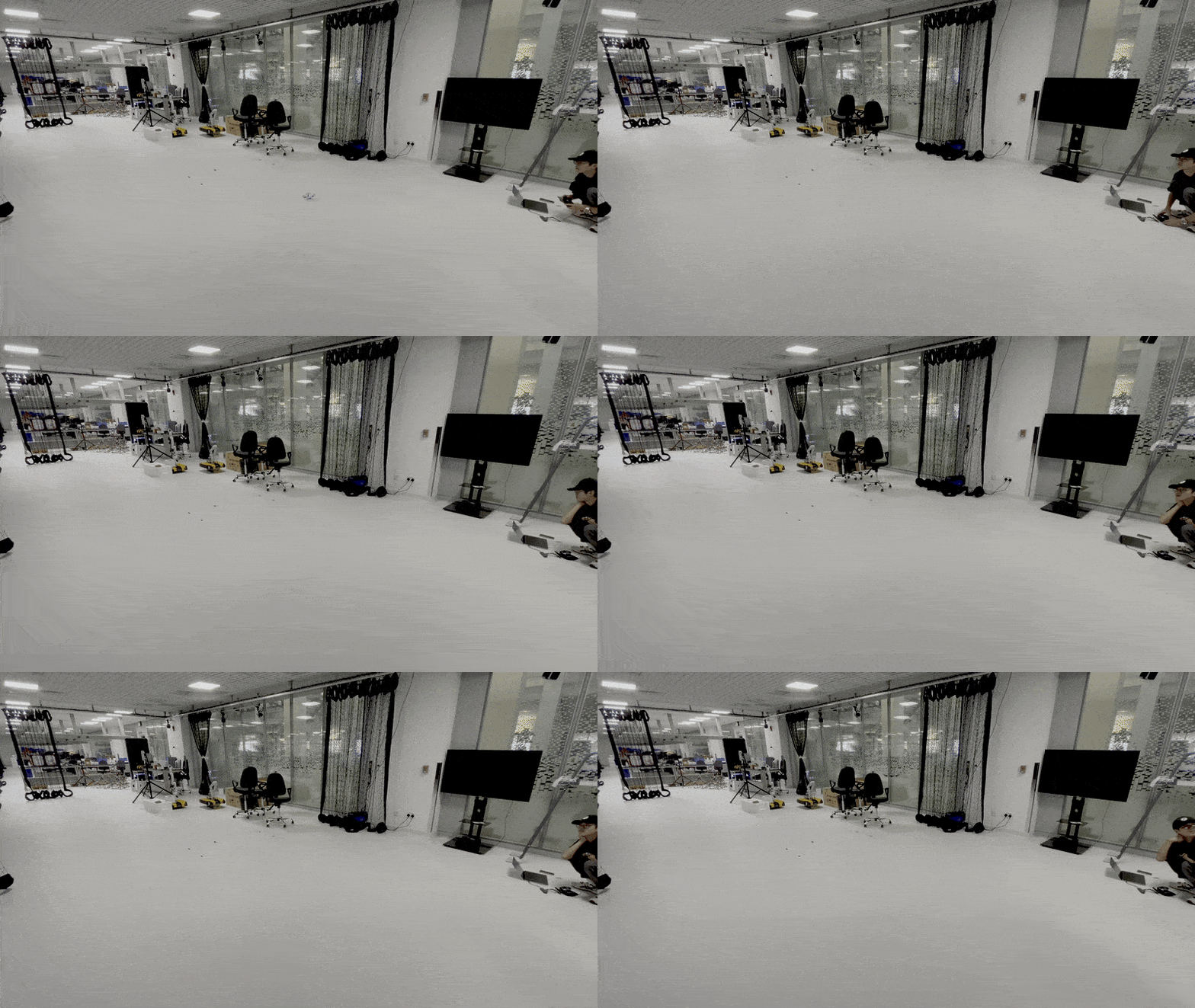
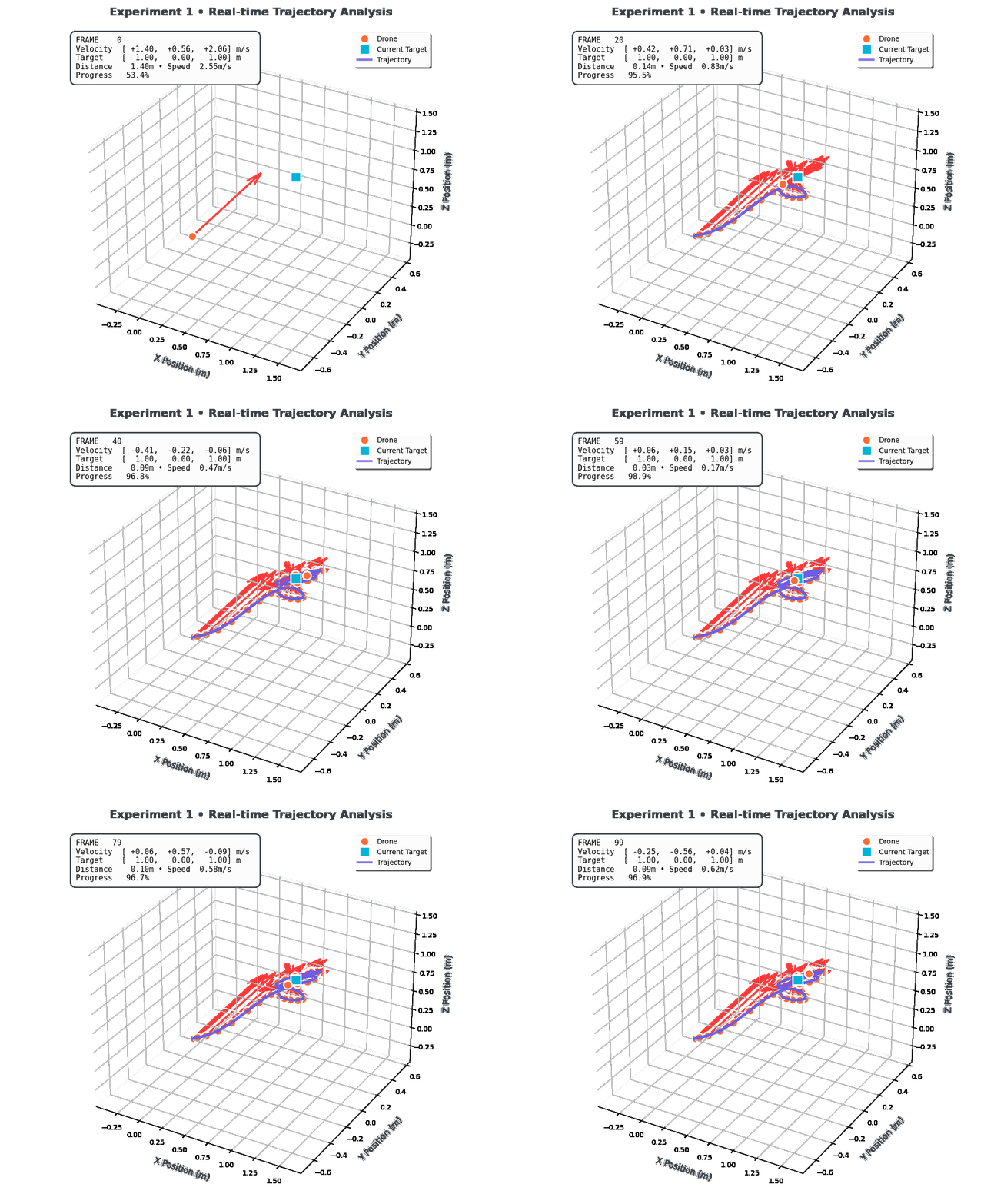
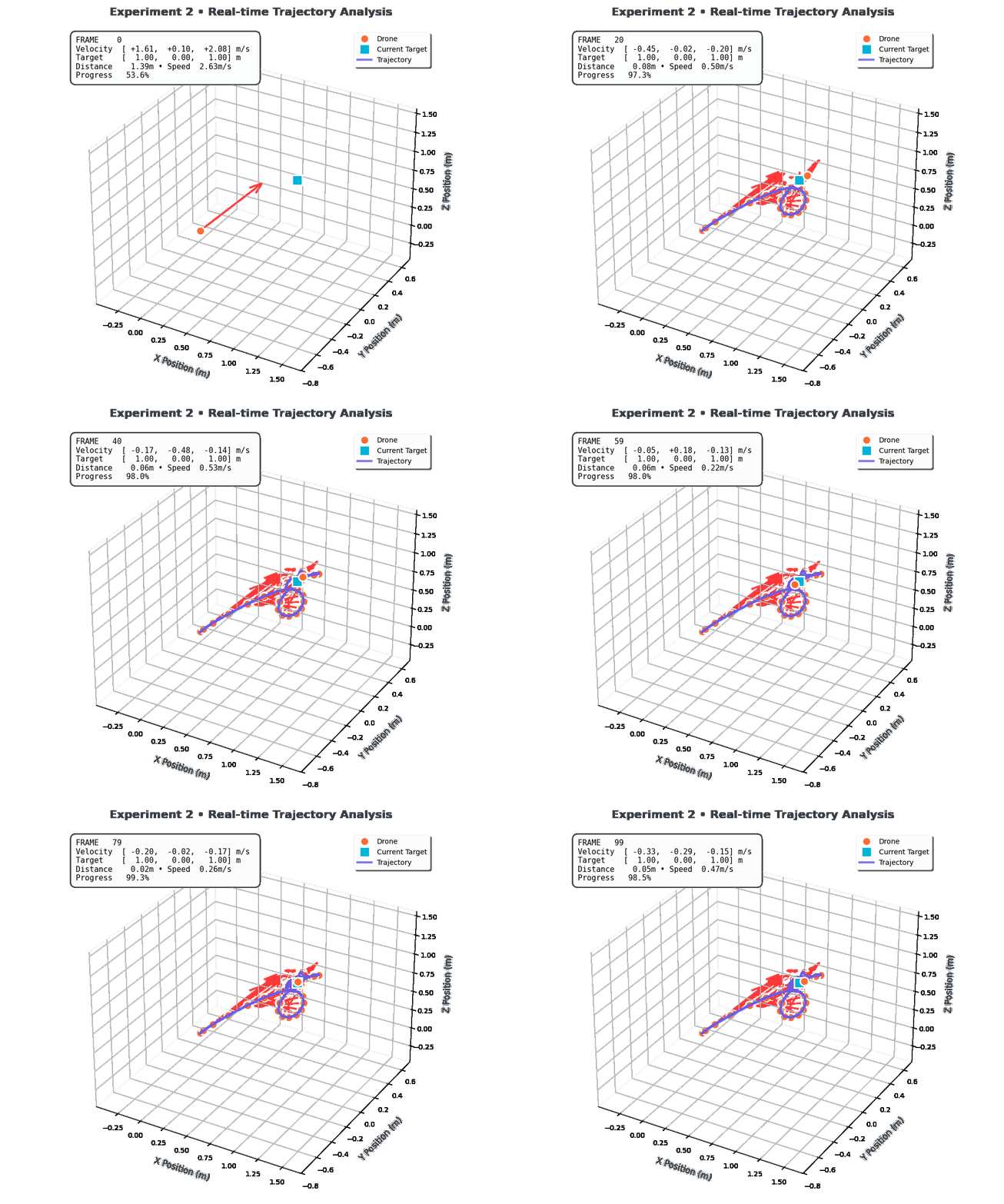
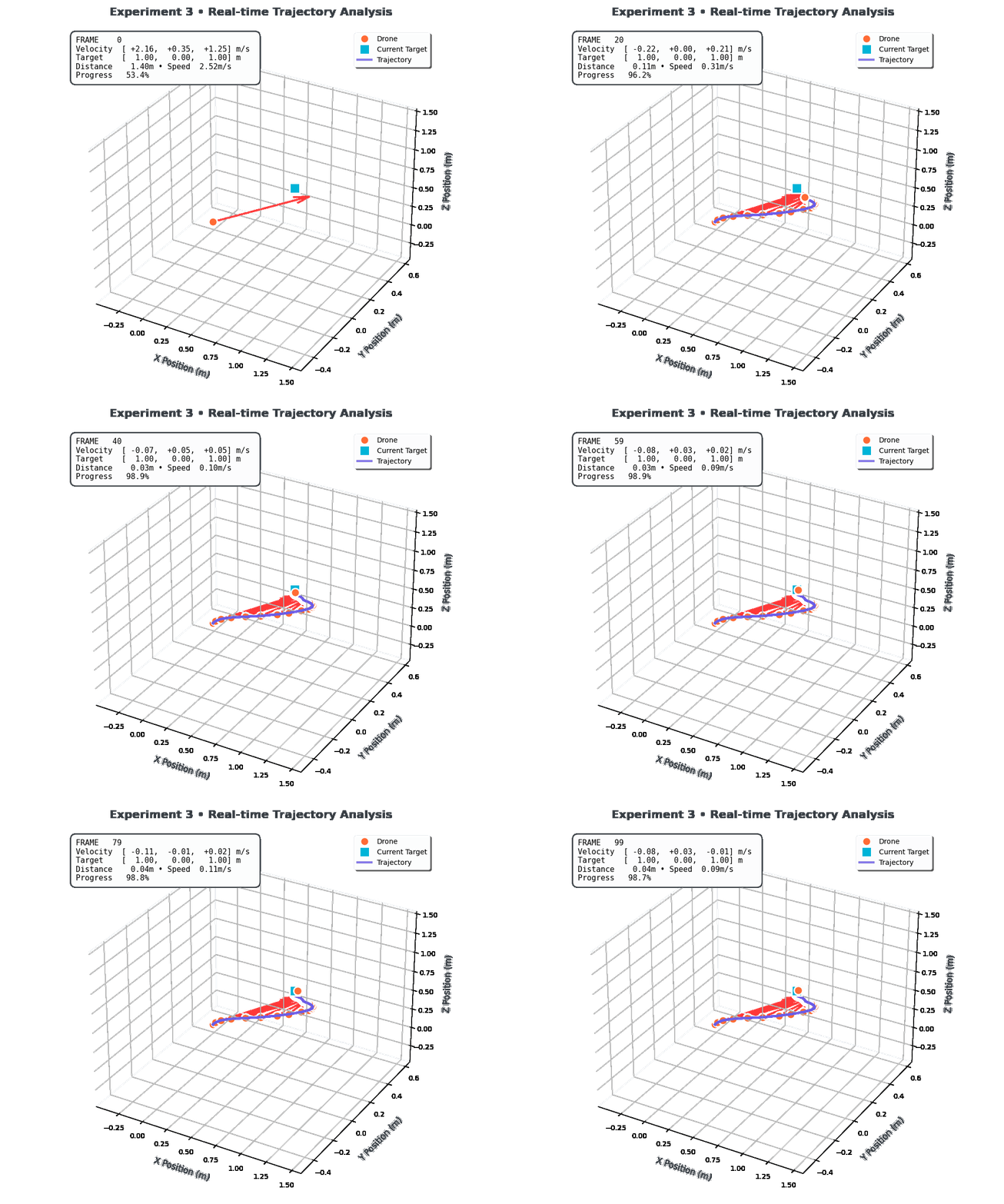
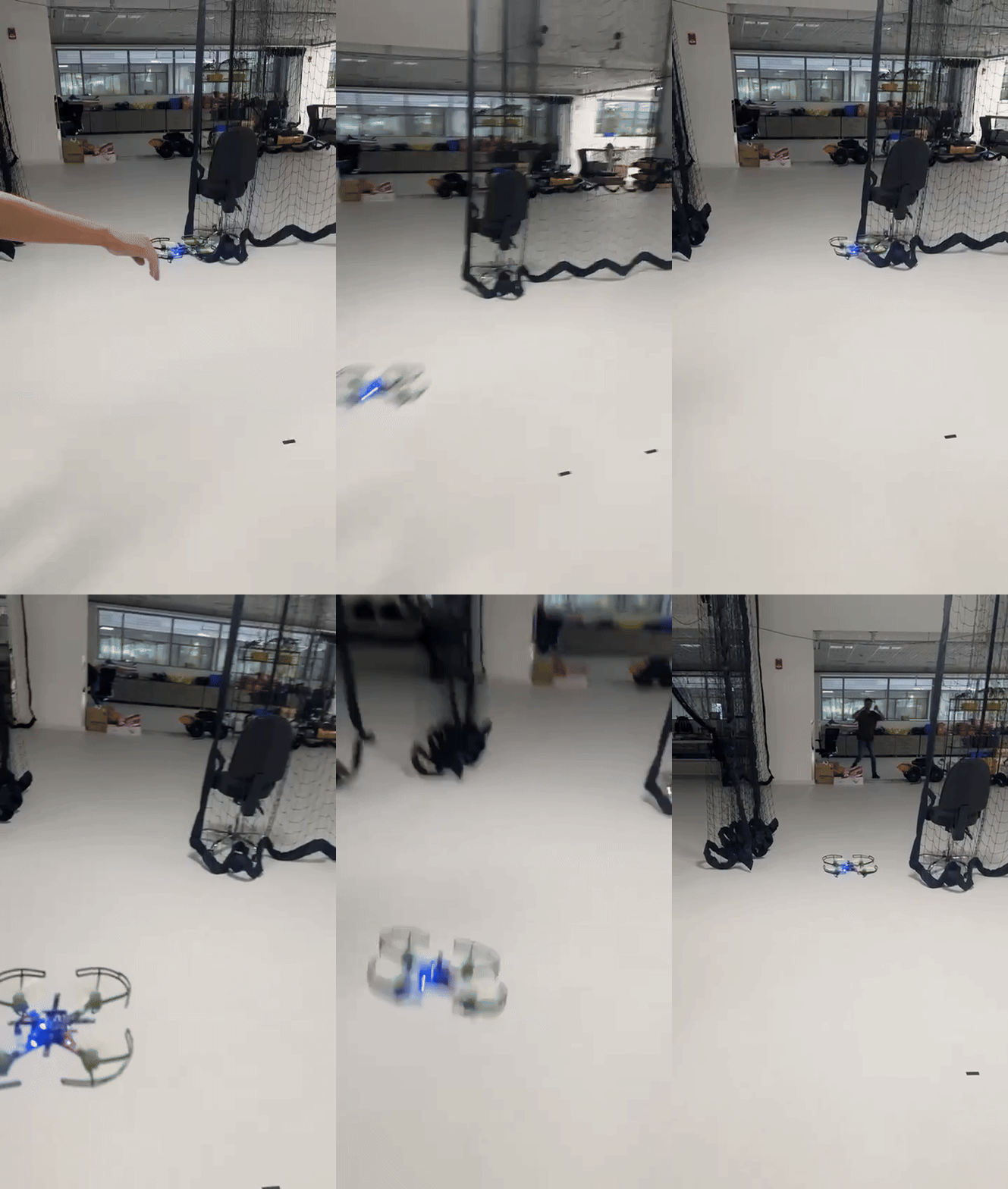
The deployed policy recovers from external perturbations in real time, demonstrating robustness beyond the training distribution.